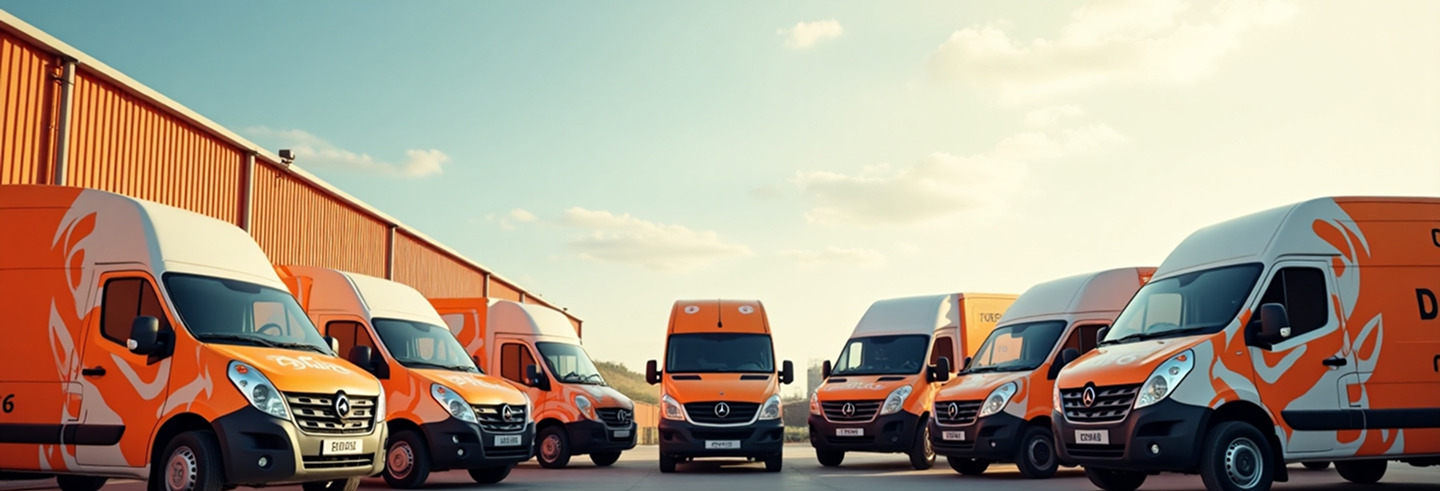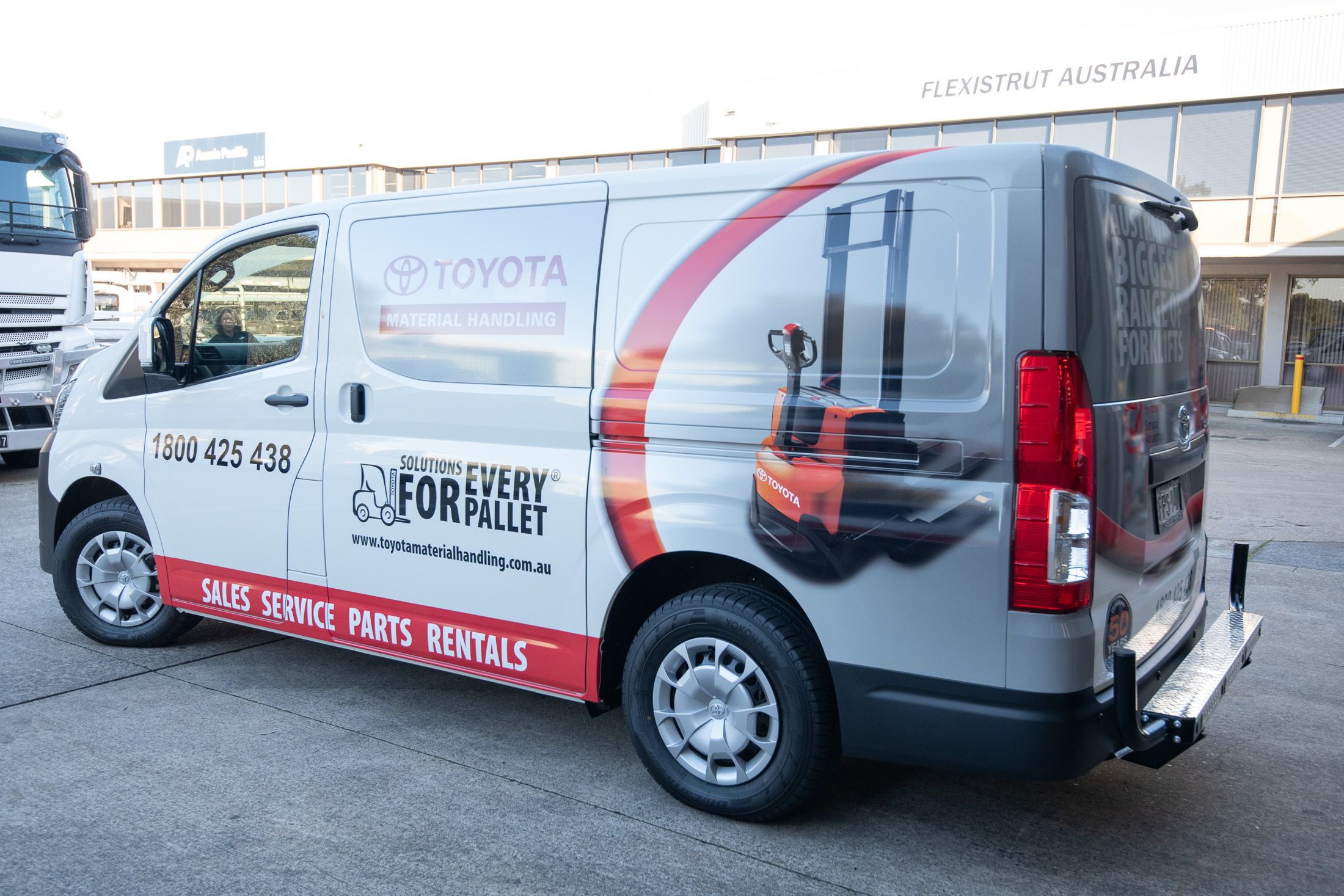
A recent Stuff article on the future of the signage industry points to a striking idea: logos on cars and sports jerseys that change automatically. For anyone managing a commercial fleet or a brand's visual identity, it raises a fair question. If a vehicle's branding can change on demand, what happens to the traditional wrap?
We've spent more than 30 years branding vehicles, so we're watching this space closely. The headline is the main detail we have to go on, so we won't speculate on the technology itself. We can talk about what changeable branding would mean in practice for fleets.
Why changeable branding is appealing
The appeal is easy to see. A fleet vehicle is a moving advertisement, and a static one has a fixed message for as long as the graphics are on the vehicle. Changeable logos suggest a few possibilities:
- Campaign flexibility: one vehicle carrying different messages for different promotions, partners or locations.
- Sponsorship and co-branding: swapping partner logos without a full re-wrap.
- Faster rebrands: updating identity across a large fleet without a physical changeover.
For marketing teams, that kind of agility is attractive. Sports jerseys are a natural example, since sponsor visibility is a major commercial asset there. Fleets have a similar dynamic when vehicles carry campaign or partner messaging.
The practical questions fleet managers should ask
Operational reality tends to shape which innovations actually reach a fleet. Before any changeable system is considered for commercial vehicles, we'd want clear answers to questions like these:
- Durability: Can it handle Australian heat, UV, rain, vibration and daily wash cycles?
- Maintenance and repair: What happens after a minor collision or a failed component? Wrap panels can be replaced individually, but electronic systems are more complex.
- Rollout at scale: Branding hundreds of vehicles across multiple states demands consistency, predictable installation and manageable costs.
- Total cost of ownership: Upfront price matters, but so do lifespan, servicing and eventual removal.
- Compliance: Vehicle modifications and any moving or illuminated display need to be checked against the relevant road rules and requirements before use.
These are the same questions we work through on large programs today, including one that covered 700+ vehicles. Innovation only helps a fleet if it holds up across every vehicle, every depot and every season.
Why the fundamentals still matter
A logo that can change does not remove the need for a strong identity. If anything, it raises the stakes. Flexible branding still has to feel unmistakably like your brand, which means consistent colour, typography, layout and tone. Our post on the importance of brand identity for businesses covers why that consistency builds recognition and trust.
There's also a clear role for proven materials. A well-designed wrap delivers full-vehicle visual impact, protects the paintwork underneath and works around the clock without power or software. If you're weighing options, our comparison of fleet vehicle wraps vs stickers and decals is a useful starting point. For the broader case, see why car wraps are one of the most powerful marketing tools in Australia.
In practice, the likely future is a blend. Durable printed wraps carry the core identity, while digital elements are added where flexibility genuinely pays off, such as digital displays for dynamic messaging.
The takeaway
Changeable logos are an interesting signal of where signage is heading, and they're worth watching. But for most fleets, the decisions that drive results today are the same ones that always have: a strong, consistent design, quality materials, expert installation and a rollout plan that works at scale.
If you're planning a fleet refresh or rebrand and want to talk through what's practical now and what's coming, our team in Sydney, Melbourne, Brisbane and Auckland is happy to help.